Fragrances Made in the USA

Safe for Pets & Kids

Cruelty-Free

Sustainable

Ethically Sourced

Ethically Sourced
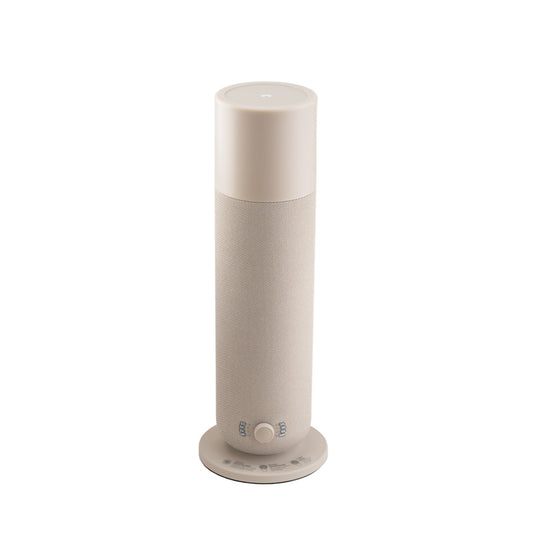

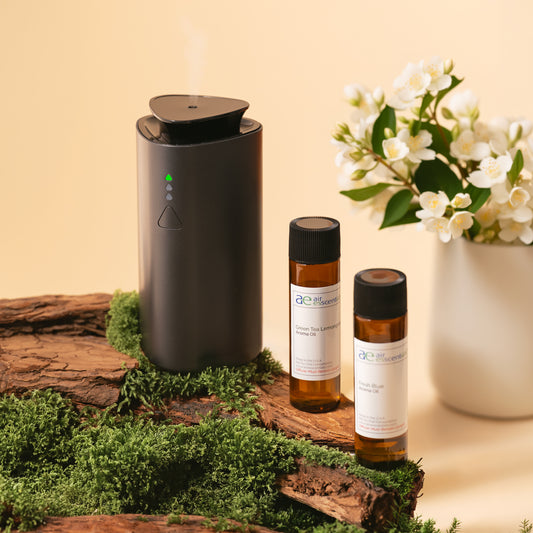


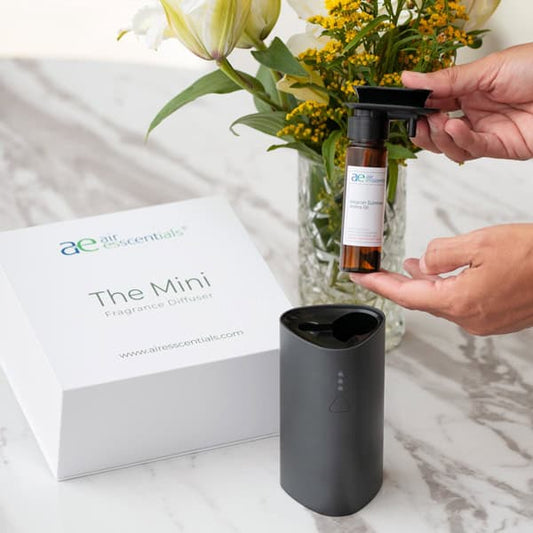

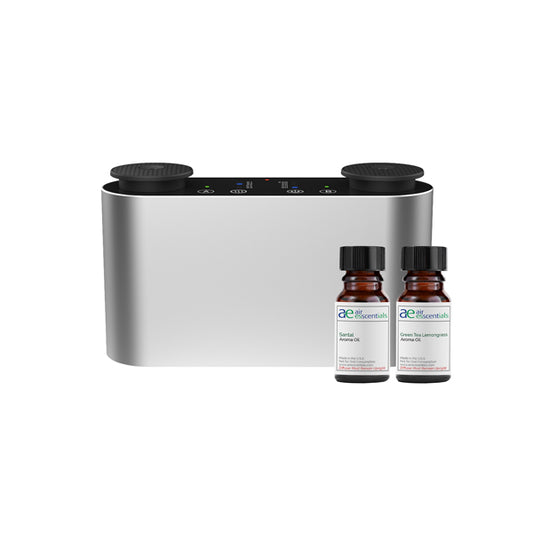

Recommended For You

Summer Fragrances

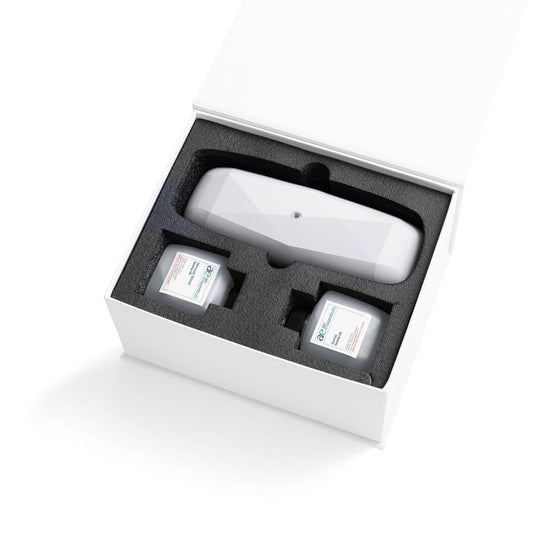
The Radiant Package

Juicy Citrus
What Our Customers Have to Say

The BEST home fragrance system!
I ordered the 701 system in January and its been 6 months and there’s still about 1/5 of the oil left in the bottle. I also just ordered my second Mini. The Mini is great because you can move it around and even bring it in your car! I HIGHLY recommend ditching your plug in, store bought home fragrances that you have to replace every 1-2 months for the AE fragrance systems.
Jennifer Russo
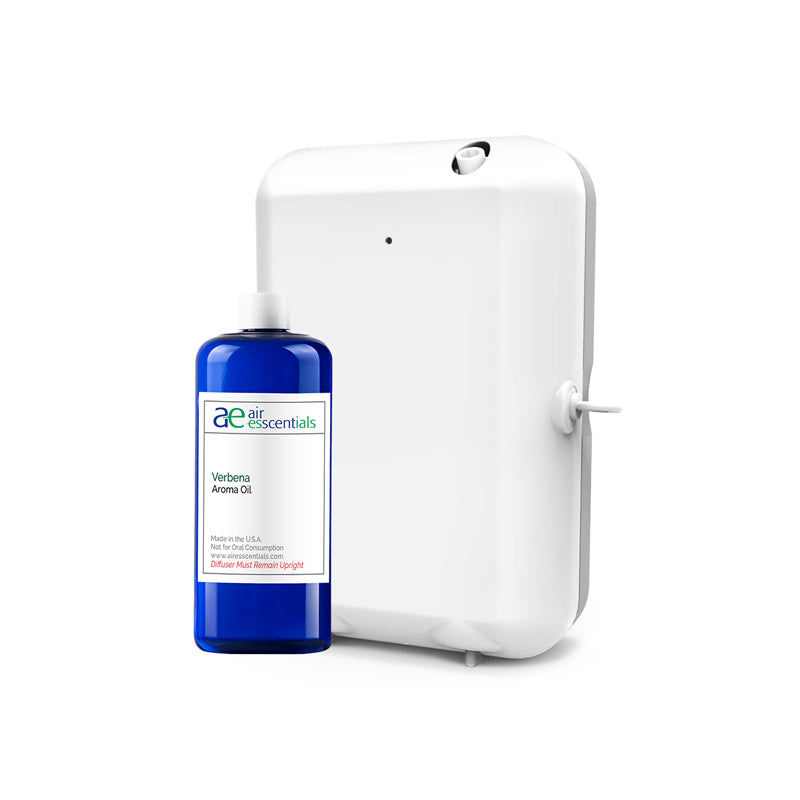
My house smells like a high-end hotel all the time now.
I love the Fresh Blue scent and have the Diamond Diffuser in my great room, and the Mini in my primary bath. I get endless compliments when people enter my home. It elevates my environment in concert with my plants to make the most peaceful setting ever! Not to mention, the customer service with Air Esscentials is outstanding 5 STARS!
Keli Keener
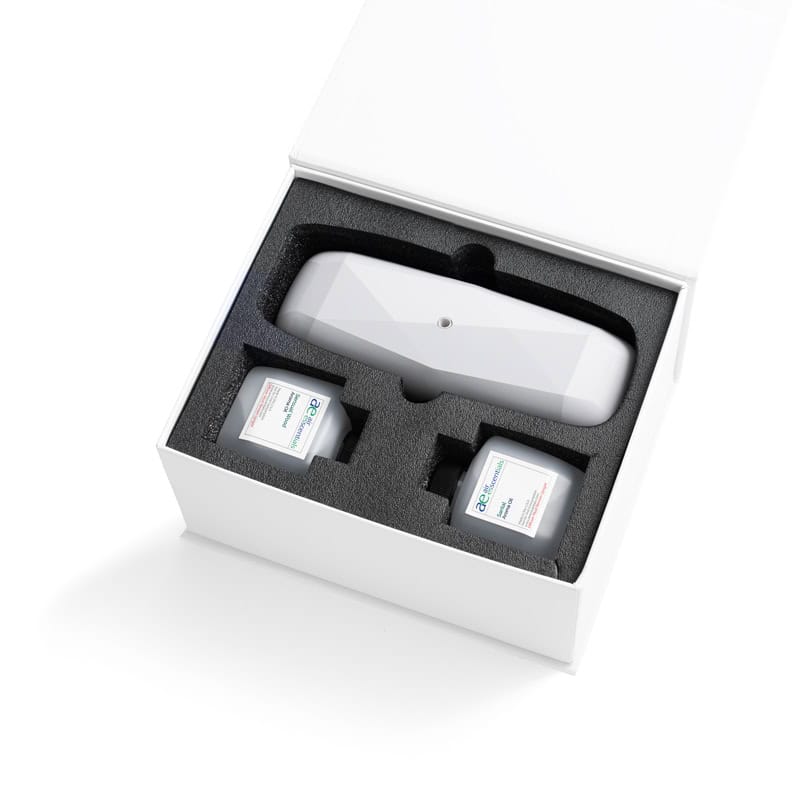
My favorite scent diffuser is the mini!
I've had two, and I enjoy the ability they have to move scent through my home. Over the years I've enjoyed many different scents, white tea and sage are a staple, but during fall and winter months I love exploring the seasonal scents! Right now I love the apple pie!
Brooke Arroyo


Request Samples
Not sure which fragrance to diffuse? Select up to six scent samples to find out which fragrance best matches the ambiance of your space.
Our Green Promise